Proper Shoes for Baby’s Growing Feet

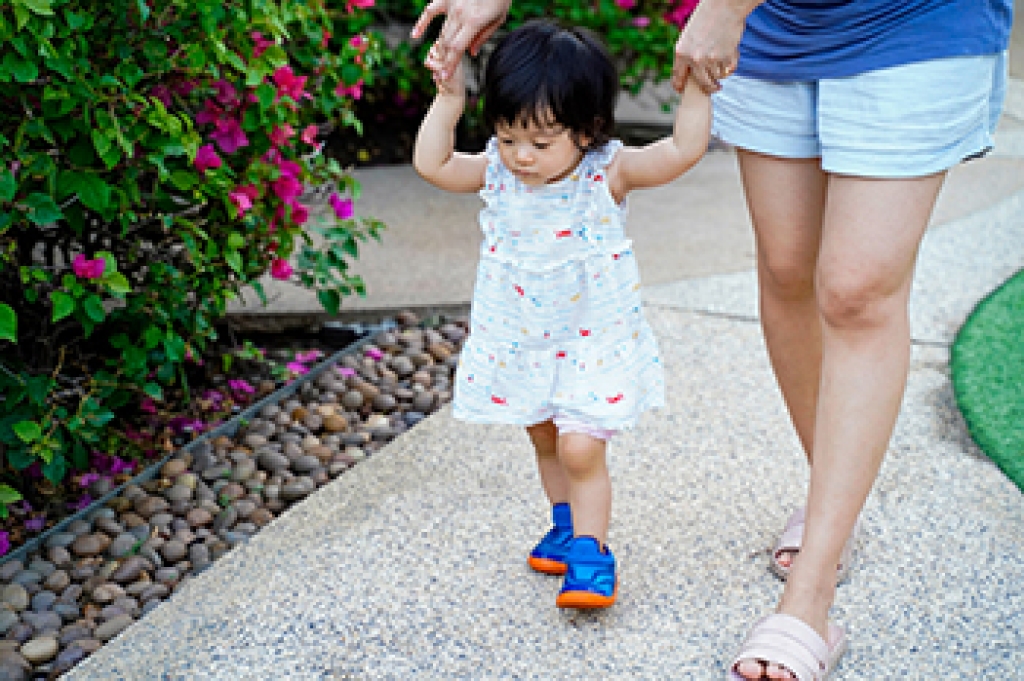
A baby’s feet develop best when they have room to move. Before a baby begins walking outdoors, shoes are unnecessary. In fact, bare feet allow the toes to bend and help foot muscles grow stronger on safe indoor surfaces. Socks provide warmth, but they should not squeeze the toes. Once a child starts walking outdoors, shoes protect the feet from rough ground, sharp objects, and hot surfaces. A toddler’s first pair should be light, flexible, and shaped like the child’s foot. A firm heel area can provide stability without making the shoe stiff.

Proper fit is important because babies and toddlers cannot always explain discomfort. There should be about a finger’s width of space between the longest toe and the shoe’s front. The toe box should let the toes spread without rubbing. Shoes should fit securely at the heel without pinching or slipping. Choose a flexible, non-skid sole that bends near the ball of the foot. Fasteners should keep the shoe in place during play. Parents should check the fit monthly because young feet grow quickly. Red marks, blisters, or changes in walking can signal that the shoes are too tight. Secondhand shoes can be a poor choice because they may already be shaped to another child’s foot.

Podiatric care is helpful when a child frequently trips, avoids walking, or appears to have foot pain. A podiatrist can examine a child’s feet and watch how the child stands and walks. This can identify any problems with balance, foot position, or movement. The podiatrist also can measure both feet and explain which shoe shape offers enough space and support. Some toddlers have one foot that is larger, so shoes should fit the larger foot. An exam can determine whether unusual wear patterns relate to the shoes or foot development. For guidance on proper footwear for an active toddler, it is suggested that you schedule an appointment with a podiatrist who can help you to choose the right shoes for your child. 

The health of a child’s feet is vital to their overall well-being. If you have any questions regarding foot health, contact one of our podiatrists of Summerlin Foot & Ankle. Our doctors can provide the care you need to keep you pain-free and on your feet.

Tips for Keeping Children's Feet Healthy

  • Make sure their shoes fit properly
  • Look for any signs of in-toeing or out-toeing
  • Check to see if they have Clubfoot (condition that affects your child’s foot and ankle, twisting the heel and toes inward) which is one of the most common nonmajor birth defects.
  • Lightly cover your baby’s feet (Tight covers may keep your baby from moving their feet freely, and could prevent normal development)
  • Allow your toddler to go shoeless (Shoes can be restricting for a young child’s foot)
  • Cut toenails straight across to avoid ingrown toenails
  • Keep your child’s foot clean and dry
  • Cover cuts and scrapes. Wash any scratches with soap and water and cover them with a bandage until they’ve healed.

If you have any questions, please feel free to contact our office located in Las Vegas, NV . We offer the newest diagnostic and treatment technologies for all your foot care needs.


Read more about How to Care for Your Child's Feet

Are You Suffering From Ingrown Toenails?

If left untreated, an ingrown toenail can lead to more serious concerns, such as an infection. Knowing proper nail care can help in the prevention of an ingrown toenail. Give us a call, and get treated!

Facts About Achilles Tendon Ruptures and Recovery

The Achilles tendon is a band of tissue that connects the calf muscles to the heel bone. It helps move the foot while taking a step, running, or jumping. Despite its strength, the tendon can rupture when it is exposed to sudden, powerful force. Achilles tendon ruptures occur in high-impact sports like football, basketball, and soccer. Athletes in their 30s and 40s can face greater risk because the tendon tissue can weaken with age while they remain active in demanding sports.

An Achilles tendon rupture can happen without warning. A sudden change in direction, awkward landing, or forceful push from the foot can place stress on the tendon. Some people have tissue changes before the injury but experience no previous pain. A rupture can leave the tendon disconnected, reducing the ability of the calf muscle to move the foot. Recovery can be lengthy because the tendon and surrounding tissues need time to heal and regain strength. Treatment can involve surgery or a nonsurgical approach, depending on the injury and the patient's activity goals.

A podiatrist can evaluate Achilles tendon pain or a suspected rupture and determine the extent of the injury. The examination can assess movement, strength, and the connection between the calf and heel. Treatment can protect the injured tendon while it heals and help restore function. A podiatrist can also discuss ways to reduce injury risk, including choosing shoes that provide proper support and are appropriate for the activity. Returning to sports requires careful planning because recovery from a rupture can take many months. If you have injured your Achilles tendon, it is suggested that you schedule an appointment with a podiatrist for effective relief and treatment solutions. 

Achilles tendon injuries need immediate attention to avoid future complications. If you have any concerns, contact one of our podiatrists of Summerlin Foot & Ankle. Our doctors can provide the care you need to keep you pain-free and on your feet.

What Is the Achilles Tendon?

The Achilles tendon is a tendon that connects the lower leg muscles and calf to the heel of the foot. It is the strongest tendon in the human body and is essential for making movement possible. Because this tendon is such an integral part of the body, any injuries to it can create immense difficulties and should immediately be presented to a doctor.

What Are the Symptoms of an Achilles Tendon Injury?

There are various types of injuries that can affect the Achilles tendon. The two most common injuries are Achilles tendinitis and ruptures of the tendon.

Achilles Tendinitis Symptoms

  • Inflammation
  • Dull to severe pain
  • Increased blood flow to the tendon
  • Thickening of the tendon

Rupture Symptoms

  • Extreme pain and swelling in the foot
  • Total immobility

Treatment and Prevention

Achilles tendon injuries are diagnosed by a thorough physical evaluation, which can include an MRI. Treatment involves rest, physical therapy, and in some cases, surgery. However, various preventative measures can be taken to avoid these injuries, such as:

  • Thorough stretching of the tendon before and after exercise
  • Strengthening exercises like calf raises, squats, leg curls, leg extensions, leg raises, lunges, and leg presses

If you have any questions please feel free to contact our office located in Las Vegas, NV . We offer the newest diagnostic tools and technology to treat your foot and ankle needs.

Read more about Achilles Tendon Injuries

How a Podiatrist Can Help With Bunions

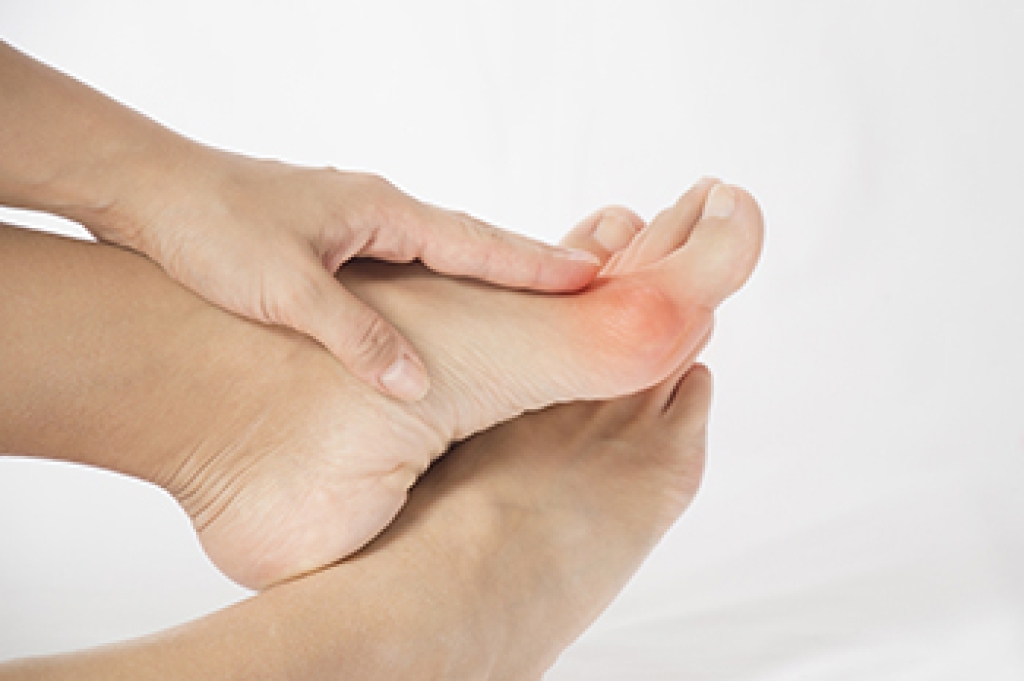
A bunion is a change in the alignment of the big toe joint that creates a noticeable bump along the inside of the foot. As the big toe shifts toward the smaller toes, the joint can become enlarged, red, or painful. Some bunions cause few symptoms, while others can make walking and wearing shoes uncomfortable. Tight-fitting or narrow-toed shoes can place pressure on the area and increase discomfort. A bunion can also develop because of foot structure, certain health conditions, or an earlier foot injury. A podiatrist can examine the foot and determine whether a bunion is causing the symptoms.

A podiatrist can evaluate the position of the big toe and the affected joint during a foot examination. X-rays can also help show changes in the bones and joints. The findings can help determine the severity of the bunion and guide treatment. Professional treatment focuses on improving comfort and reducing pressure on the affected area. A podiatrist can discuss appropriate shoes, foot supports, or other treatment options based on the patient’s needs. When a bunion becomes severe or causes significant pain, surgery can be considered to correct the position of the affected bones and joint. Different surgical procedures are used based on the type and severity of the bunion.

Bunions can also affect the way the foot functions. Pain and changes in toe position can make certain activities harder and can create pressure against shoes. A podiatrist can monitor the bunion and assess changes in pain, movement, and foot alignment. Professional evaluation can also help identify related problems, like corns or irritation around the joint. Treatment decisions depend on the patient’s symptoms, foot structure, and the severity of the deformity. Early evaluation can provide a clearer understanding of the problem and available treatment choices. If you have symptoms of bunions, it is suggested that you make an appointment with a podiatrist for diagnosis and treatment.

If you are suffering from bunions, contact one of our podiatrists of Summerlin Foot & Ankle. Our doctors can provide the care you need to keep you pain-free and on your feet.

What Is a Bunion?

A bunion is formed of swollen tissue or an enlargement of boney growth, usually located at the base joint of the toe that connects to the foot. The swelling occurs due to the bones in the big toe shifting inward, which impacts the other toes of the foot. This causes the area around the base of the big toe to become inflamed and painful.

Why Do Bunions Form?

Genetics – Susceptibility to bunions are often hereditary

Stress on the feet – Poorly fitted and uncomfortable footwear that places stress on feet, such as heels, can worsen existing bunions

How Are Bunions Diagnosed?

Podiatrists often perform two tests – blood tests and x-rays – when trying to diagnose bunions, especially in the early stages of development. Blood tests help determine if the foot pain is being caused by something else, such as arthritis, while x-rays provide a clear picture of your bone structure to your provider.

How Are Bunions Treated?

  • Refrain from wearing heels or similar shoes that cause discomfort
  • Select wider shoes that can provide more comfort and reduce pain
  • Anti-inflammatory and pain management drugs
  • Orthotics or foot inserts
  • Surgery

If you have any questions, please feel free to contact our office located in Las Vegas, NV . We offer the newest diagnostic and treatment technologies for all your foot care needs.
Read more about Bunions

Understanding Minimally Invasive Foot Surgery

Minimally invasive foot surgery is an advanced podiatric technique that corrects structural foot problems through very small incisions. Unlike traditional open procedures, this approach uses specialized instruments and imaging guidance to treat conditions with precision while limiting disruption to surrounding tissues. It is commonly used in modern podiatry for patients seeking effective correction with a more efficient recovery process. This method reflects a shift toward patient-centered care that prioritizes both outcomes and comfort.

Patients who undergo minimally invasive foot surgery often report less post operative pain, reduced swelling, and minimal scarring. Because the incisions are small, the body experiences less trauma, which can support quicker healing and earlier return to daily activities. Many individuals are able to walk sooner compared to traditional surgery, depending on the condition being treated. These benefits make it an appealing option for those with busy lifestyles or those who want to avoid extended downtime.


Common foot conditions treated with this technique include bunions, hammertoes, and certain cases of plantar fasciitis. Symptoms that may indicate the need for surgical correction include persistent pain, joint stiffness, and difficulty wearing shoes. Risk factors such as wearing improper footwear, repetitive stress, and biomechanical imbalance can contribute to these issues. A podiatrist evaluates each case carefully to determine whether a minimally invasive approach is appropriate.


Choosing the right treatment begins with a proper diagnosis and a clear understanding of available options. Minimally invasive foot surgery offers a modern solution that blends precision with patient comfort, making it an important advancement in foot care. If you have consistent foot pain from a specific condition,  it is suggested that you consult a podiatrist to discuss minimally invasive options and receive appropriate care tailored to your needs.

Foot surgery is sometimes necessary to treat a foot ailment. To learn more, contact one of our podiatrists of Summerlin Foot & Ankle. Our doctors will assist you with all of your foot and ankle needs.

When Is Surgery Necessary?

Foot and ankle surgery is generally reserved for cases in which less invasive, conservative procedures have failed to alleviate the problem. Some of the cases in which surgery may be necessary include:

  • Removing foot deformities like bunions and bone spurs
  • Severe arthritis that has caused bone issues
  • Cosmetic reconstruction

What Types of Surgery Are There?

The type of surgery you receive will depend on the nature of the problem you have. Some of the possible surgeries include:

  • Bunionectomy for painful bunions
  • Surgical fusion for realignment of bones
  • Neuropathy decompression surgery to treat nerve damage

Benefits of Surgery

Although surgery is usually a last resort, it can provide more complete pain relief compared to non-surgical methods and may allow you to finally resume full activity.

Surgical techniques have also become increasingly sophisticated. Techniques like endoscopic surgery allow for smaller incisions and faster recovery times.

If you have any questions, please feel free to contact our office located in Las Vegas, NV . We offer the newest diagnostic and treatment technologies for all your foot care needs.

Read more about Foot and Ankle Surgery
scroll to top