
Have you noticed a bony protrusion on the side of your big toe? If so, you may have developed the foot condition known as a bunion. Don't let bunions interfere with your daily activities.
Have you noticed a bony protrusion on the side of your big toe? If so, you may have developed the foot condition known as a bunion. Don't let bunions interfere with your daily activities.
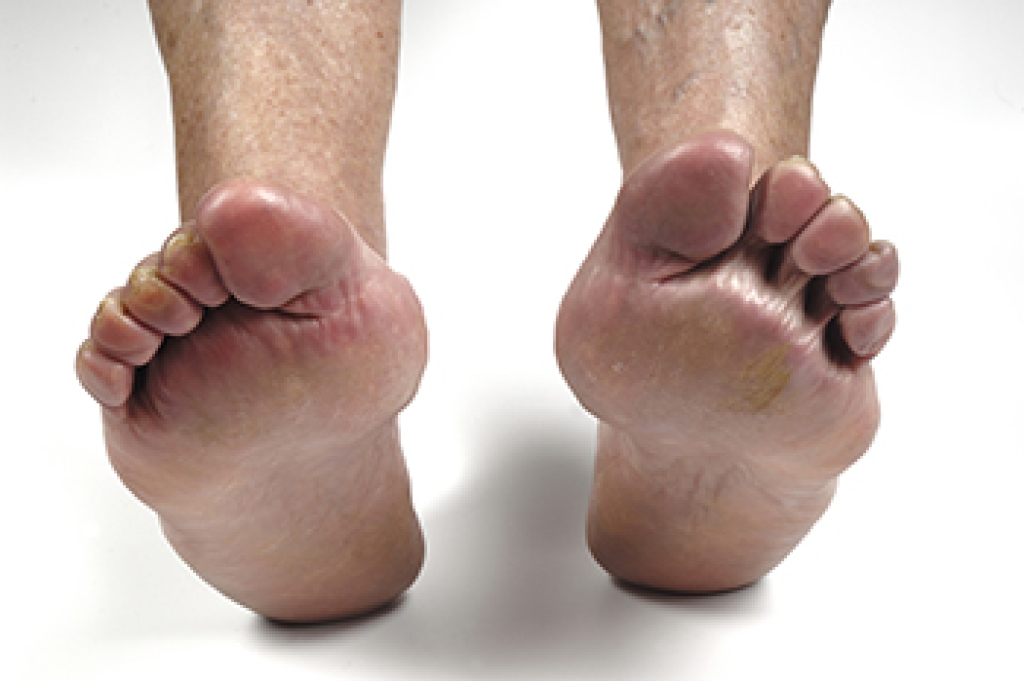
Rheumatoid arthritis can make simple movements painful when it affects the feet. This condition develops when the immune system mistakenly attacks healthy joint tissue. The result is swelling, stiffness, and pain that can interfere with daily activities. Small joints in the toes and front of the foot can become tender. Some patients notice discomfort in both feet after resting. Morning stiffness may make the first steps difficult. Symptoms can suddenly worsen during a flare, then improve for a period. Without proper treatment, ongoing swelling can damage joints and change their shape.
The exact cause of rheumatoid arthritis remains unknown. Certain factors raise the risk, including smoking, family history, and increasing age. Women are more likely to develop rheumatoid arthritis than men. It can also cause tiredness and weakness, making ordinary tasks harder. In the feet, swollen joints can affect balance and make wearing shoes uncomfortable. Changes in toe position may create pressure points that become painful while walking. Because symptoms can resemble other foot conditions, a careful examination matters. A podiatrist can check joint movement, assess painful areas, and review changes in how you walk. Imaging or blood tests help clarify the diagnosis.
Although rheumatoid arthritis has no cure, treatment can reduce symptoms and help protect joints. A podiatrist can recommend shoes with proper support and enough room for sensitive toes. Custom orthotics are shoe inserts designed to spread pressure more evenly across the foot. A podiatrist can also provide guidance on protecting painful joints and monitoring changes in foot shape. Medicines that control the disease can slow joint damage, making early diagnosis important. Regular foot evaluations help identify new pressure areas before they interfere with movement. If you have symptoms of rheumatoid arthritis, it is suggested that you schedule an appointment with a podiatrist for diagnosis and treatment.
Because RA affects more than just your joints, including the joints in your feet and ankles, it is important to seek early diagnosis from your podiatrist if you feel like the pain in your feet might be caused by RA. For more information, contact one of our podiatrists of Summerlin Foot & Ankle. Our doctors will assist you with all of your podiatric concerns.
What Is Rheumatoid Arthritis?
Rheumatoid Arthritis (RA) is an autoimmune disorder in which the body’s own immune system attacks the membranes surrounding the joints. Inflammation of the lining and eventually the destruction of the joint’s cartilage and bone occur, causing severe pain and immobility.
Rheumatoid Arthritis of the Feet
Although RA usually attacks multiple bones and joints throughout the entire body, almost 90 percent of cases result in pain in the foot or ankle area.
Symptoms
Diagnosis
Quick diagnosis of RA in the feet is important so that the podiatrist can treat the area effectively. Your doctor will ask you about your medical history, occupation, and lifestyle to determine the origin of the condition. Rheumatoid Factor tests help to determine if someone is affected by the disease.
If you have any questions, please feel free to contact our office located in Las Vegas, NV . We offer the newest diagnostic and treatment technologies for all your foot care needs.
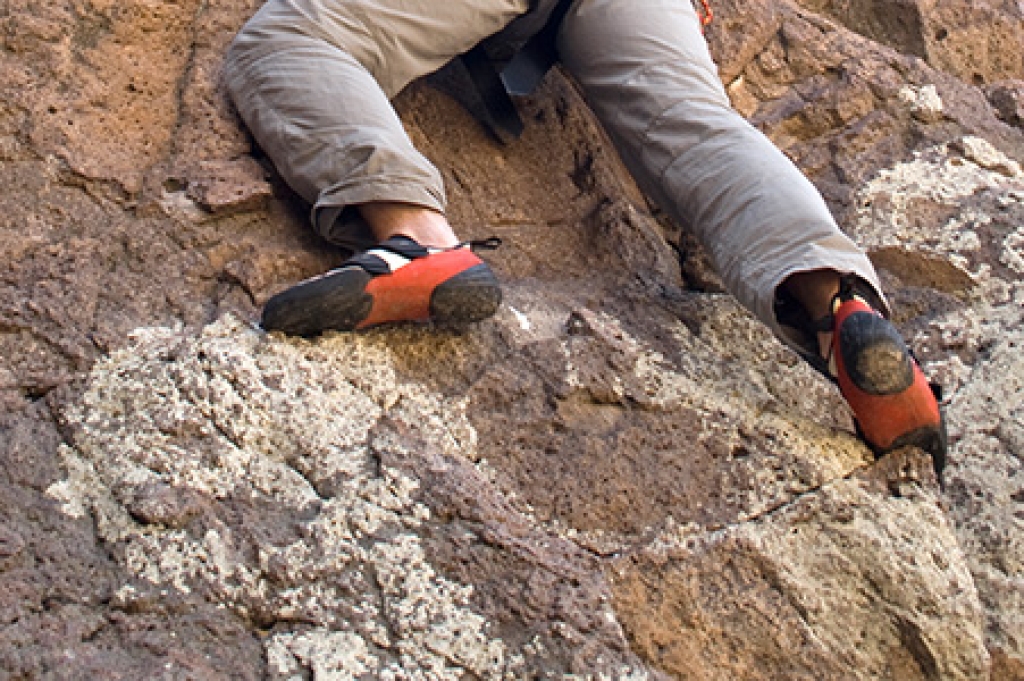
Rock climbing is an athletic activity that involves moving up natural rock formations or indoor climbing walls using strength, balance, and precise foot placement. Because the sport requires tight-fitting footwear and repeated pressure on the forefoot, wearing poorly fitted or inappropriate shoes can lead to several foot-related injuries. Common conditions include Achilles tendinopathy, which causes pain and stiffness along the back of the heel and Haglund's deformity that produces irritation near the heel bone. Hallux valgus, also known as bunions, plantar fasciitis involving inflammation of the heel tissue, and chronic ankle instability from repeated strain are other factors. A podiatrist can evaluate foot structure, treat injuries, and recommend supportive footwear. If climbing-related foot pain develops, it is suggested that you consult a podiatrist who can treat various foot and ankle injuries, helping you to protect foot health and maintain performance.
Foot Pain
Foot pain can be extremely painful and debilitating. If you have a foot pain, consult with one of our podiatrists from Summerlin Foot & Ankle. Our doctors will assess your condition and provide you with quality foot and ankle treatment.
Causes
Foot pain is a very broad condition that could be caused by one or more ailments. The most common include:
Diagnosis
To figure out the cause of foot pain, podiatrists utilize several different methods. This can range from simple visual inspections and sensation tests to X-rays and MRI scans. Prior medical history, family medical history, and any recent physical traumatic events will all be taken into consideration for a proper diagnosis.
Treatment
Treatment depends upon the cause of the foot pain. Whether it is resting, staying off the foot, or having surgery; podiatrists have a number of treatment options available for foot pain.
If you have any questions, please feel free to contact our office located in Las Vegas, NV . We offer the newest diagnostic and treatment technologies for all your foot care needs.
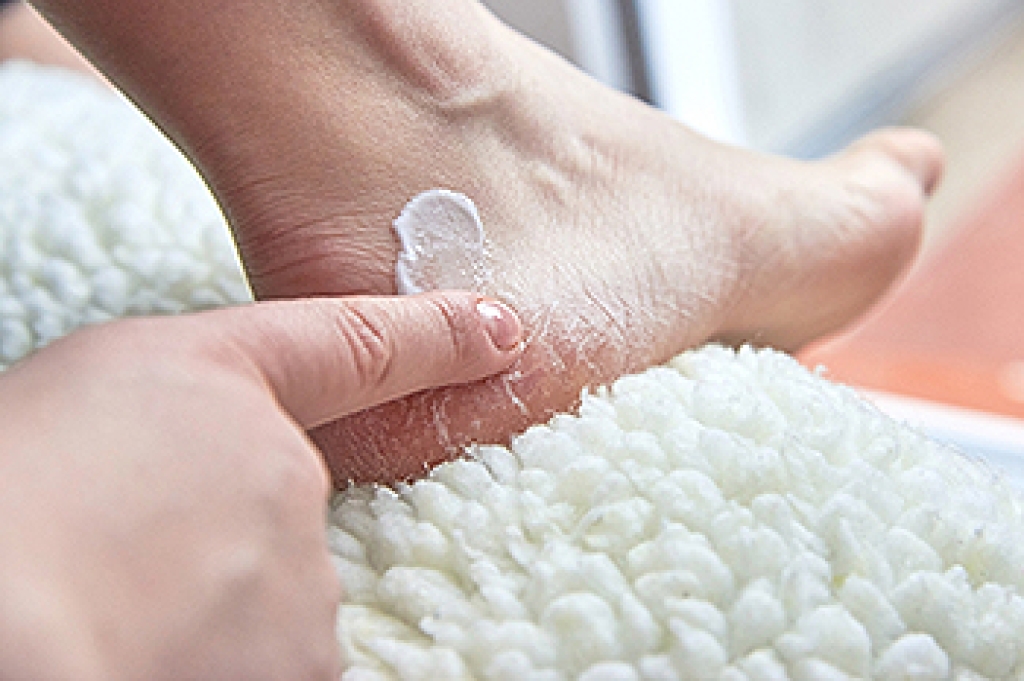
Cracked heels develop when the skin around the heel becomes dry, thick, and less flexible. As pressure increases during standing or walking, the skin can split and form painful openings. Symptoms include dryness, rough skin, or bleeding. Causes include dry weather, prolonged standing, and inadequate moisture. Simple preventive habits can help keep heel skin stronger and more resilient daily.
Diabetes can significantly increase the risk of cracked heels because elevated blood sugar may affect circulation, nerve function, and the body’s ability to repair damaged skin. Nerve changes can reduce sensation, making it harder to notice dryness or small cracks. Reduced circulation can limit oxygen and nutrients needed for healing. Diabetes may also increase infection risk. Cracked skin can become deeper and potentially develop into a more serious wound when left untreated.
Risk factors for cracked heels include dry skin, aging, and wearing unsupportive footwear. Cold or dry weather may remove moisture from the skin and make cracking worse. A podiatrist can examine the heels, assess skin condition, and look for signs of infection. Treatment may include safely reducing thickened skin, recommending moisturizing products, and addressing pressure from footwear.
Preventing cracked heels starts with consistent foot care. Use recommended moisturizers regularly, wear supportive shoes, and avoid walking barefoot. Check your feet each day for redness, cracks, or other changes. If a crack becomes painful, swollen, or slow to heal, prompt professional evaluation is important, especially with diabetes. A podiatrist can create an appropriate care plan and monitor healing to reduce complications. If you have diabetes and have developed cracked heels, it is suggested that you are under the care of a podiatrist for effective relief tips, and guidance on diabetic foot care.
If the skin on your feet starts to crack, you may want to see a podiatrist to find treatment. If you have any concerns, contact one of our podiatrists from Summerlin Foot & Ankle. Our doctors can provide the care you need to keep you pain-free and on your feet.
Cracked Heels
It is important to moisturize your cracked heels in order to prevent pain, bleeding, and infection. The reason cracked heels form is because the skin on the foot is too dry to support the immense pressure placed on them. When the foot expands, the dry skin on the foot begins to split.
Ways to Help Heal Them
Ways to Prevent Cracked Heels
If you are unsure how to proceed in treating cracked heels, seek guidance from a podiatrist. Your doctor will help you with any questions or information you may need.
If you have any questions, please feel free to contact our office located in Las Vegas, NV . We offer the newest diagnostic and treatment technologies for all your foot care needs.
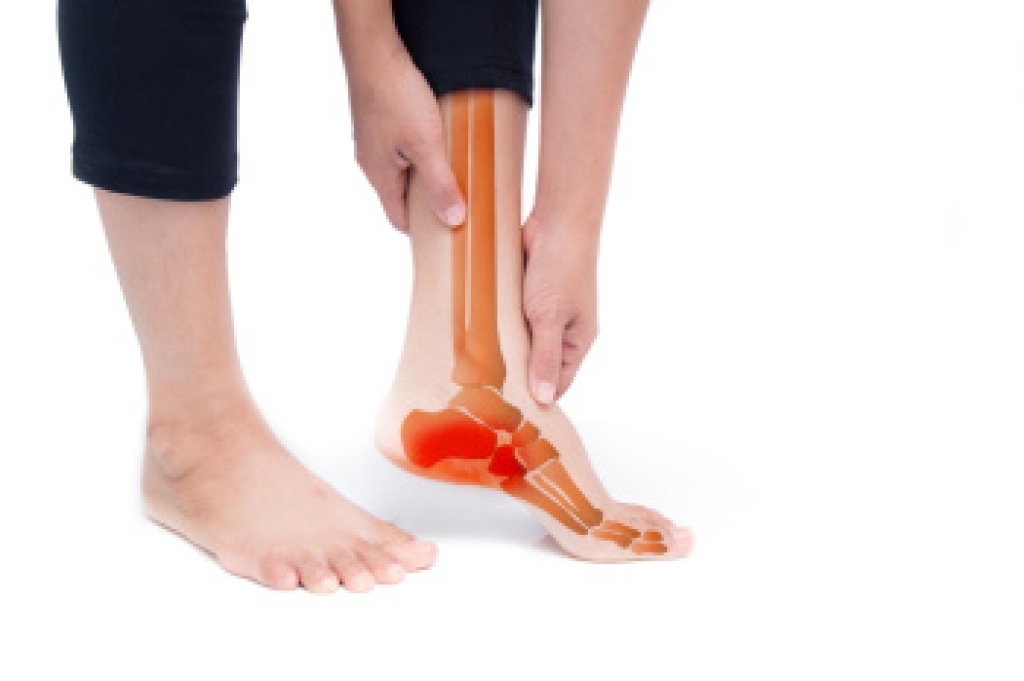
Neuropathy develops when nerves become damaged or stop working properly. When it affects the feet, symptoms can change how a person feels pressure, temperature, and pain. Neuropathic pain comes from damaged or irritated nerves rather than an outside injury. It can feel like burning, shooting, or stabbing pain. Some patients experience tingling or numbness instead. Even a light touch can feel painful in some cases. Symptoms can become constant or appear without an obvious trigger, making normal activities like standing and walking more difficult.
Several conditions can lead to neuropathy and nerve pain. Diabetes is a major cause because high blood sugar can damage nerves. Injuries can also harm nerves and create lasting symptoms. Certain infections can affect nerve function as well. In some patients, the exact cause of neuropathic pain is not clear. Loss of feeling in the feet deserves attention because patients might not notice cuts, pressure, or other injuries. A small foot problem can become more serious when reduced sensation prevents a patient from recognizing it. Nerve problems can also affect balance and increase difficulty with walking.
A podiatrist can evaluate the feet for signs of neuropathy and determine how nerve changes are affecting foot health. The examination can include checking sensation, skin condition, and muscle strength. A podiatrist can also assess balance and the way a patient walks. Treatment depends on the cause and severity of the nerve problem. Podiatric care can focus on protecting areas with reduced sensation and addressing painful foot conditions that can become harder to detect. Regular examinations can identify wounds or pressure areas before they develop into serious complications. Care can also help patients maintain safer, more comfortable movement. If you have symptoms of neuropathy, it is suggested that you schedule an appointment with a podiatrist for a diagnosis and appropriate treatment.
Neuropathy
Neuropathy can be a potentially serious condition, especially if it is left undiagnosed. If you have any concerns that you may be experiencing nerve loss in your feet, consult with one of our podiatrists from Summerlin Foot & Ankle. Our doctors will assess your condition and provide you with quality foot and ankle treatment for neuropathy.
What Is Neuropathy?
Neuropathy is a condition that leads to damage to the nerves in the body. Peripheral neuropathy, or neuropathy that affects your peripheral nervous system, usually occurs in the feet. Neuropathy can be triggered by a number of different causes. Such causes include diabetes, infections, cancers, disorders, and toxic substances.
Symptoms of Neuropathy Include:
Those with diabetes are at serious risk due to being unable to feel an ulcer on their feet. Diabetics usually also suffer from poor blood circulation. This can lead to the wound not healing, infections occurring, and the limb may have to be amputated.
Treatment
To treat neuropathy in the foot, podiatrists will first diagnose the cause of the neuropathy. Figuring out the underlying cause of the neuropathy will allow the podiatrist to prescribe the best treatment, whether it be caused by diabetes, toxic substance exposure, infection, etc. If the nerve has not died, then it’s possible that sensation may be able to return to the foot.
Pain medication may be issued for pain. Electrical nerve stimulation can be used to stimulate nerves. If the neuropathy is caused from pressure on the nerves, then surgery may be necessary.
If you have any questions, please feel free to contact our office located in Las Vegas, NV . We offer the newest diagnostic and treatment technologies for all your foot care needs.
