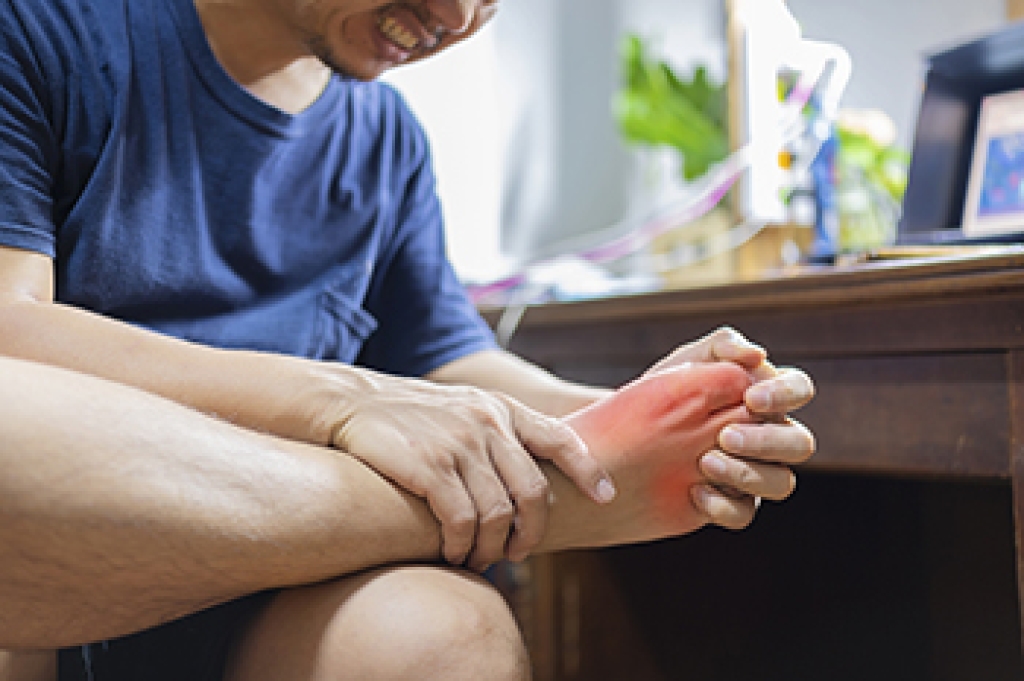
Causes and Symptoms of Gout

Gout is a form of arthritis that results in sudden, severe pain, swelling, and redness, often affecting the big toe. It is more common in men, particularly those over the age of 40, although it can affect women, especially after menopause. Gout occurs when excess uric acid builds up in the bloodstream, forming sharp crystals that accumulate in the joints. This typically happens due to dietary factors, such as consuming high-purine foods like red meat, shellfish, and alcohol. Additionally, obesity, dehydration, or certain medical conditions like high blood pressure or diabetes can significantly contribte to developing gout. During a gout attack, the affected joint becomes intensely painful, swollen, and inflamed. While medication can help control symptoms, recurring gout attacks can lead to joint damage over time. A podiatrist can help manage gout by providing treatments like anti-inflammatory medications, dietary guidelines, and customized footwear to reduce joint stress. They can also assist in preventing future flare-ups. If you are experiencing gout symptoms, it is suggested that you schedule an appointment with a podiatrist.

Gout is a foot condition that requires certain treatment and care. If you are seeking treatment, contact one of our podiatrists from Summerlin Foot & Ankle. Our doctors will treat your foot and ankle needs.

What Is Gout?

Gout is a type of arthritis caused by a buildup of uric acid in the bloodstream. It often develops in the foot, especially the big toe area, although it can manifest in other parts of the body as well. Gout can make walking and standing very painful and is especially common in diabetics and the obese.

People typically get gout because of a poor diet. Genetic predisposition is also a factor. The children of parents who have had gout frequently have a chance of developing it themselves.

Gout can easily be identified by redness and inflammation of the big toe and the surrounding areas of the foot. Other symptoms include extreme fatigue, joint pain, and running high fevers. Sometimes corticosteroid drugs can be prescribed to treat gout, but the best way to combat this disease is to get more exercise and eat a better diet.

If you have any questions, please feel free to contact our office located in Las Vegas, NV . We offer the newest diagnostic and treatment technologies for all your foot care needs.
Read more about Everything You Need to Know About Gout

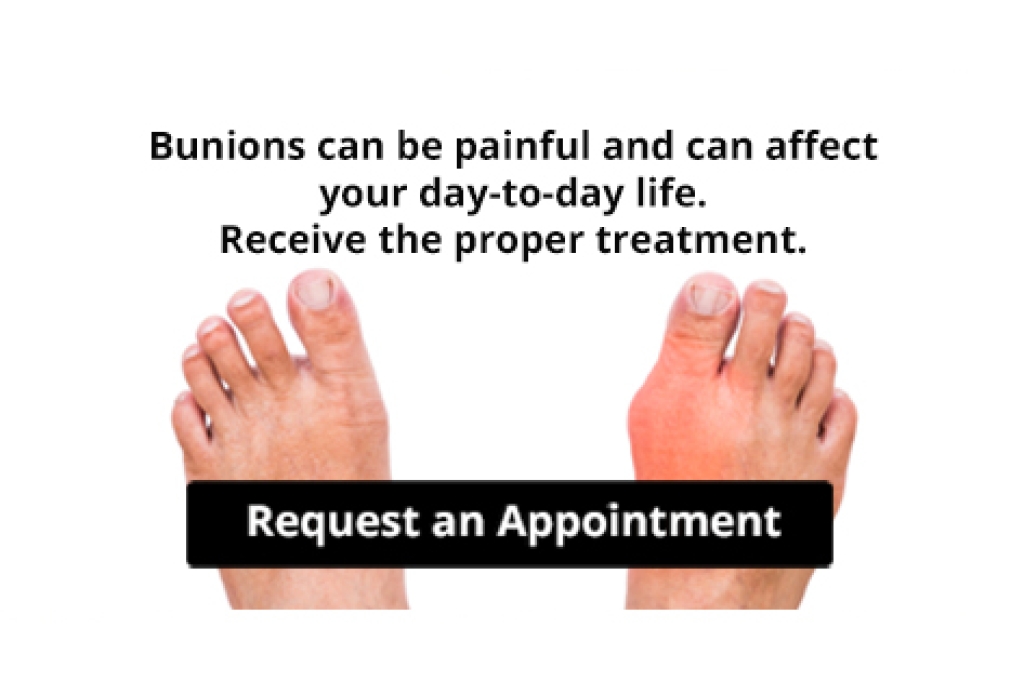
Are Bunions Affecting Your Everyday Life?

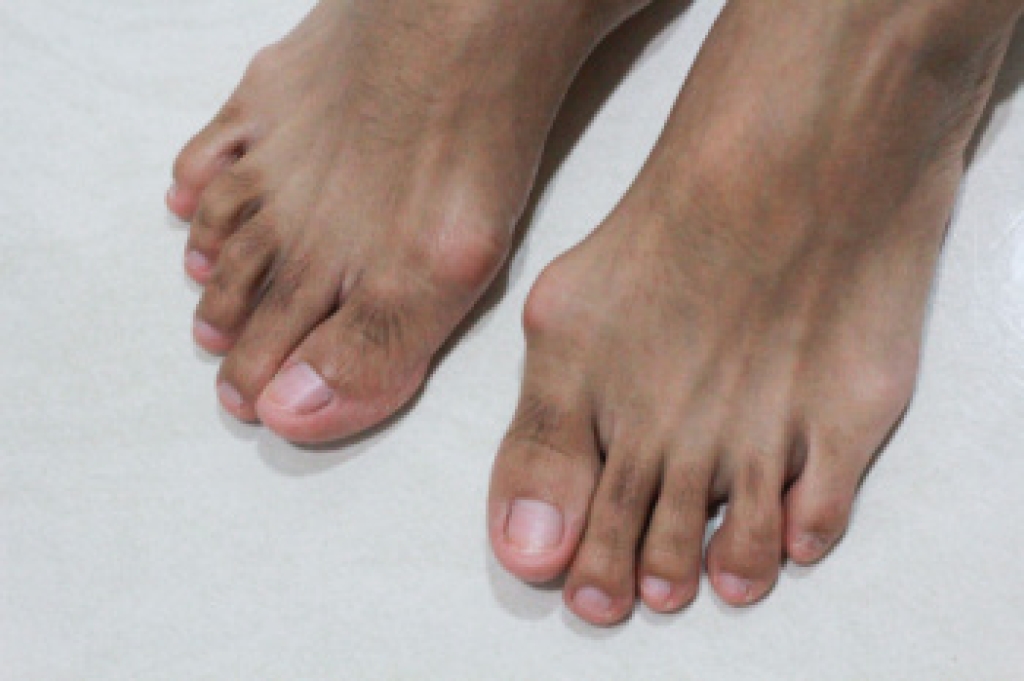
Have you noticed a bony protrusion on the side of your big toe? If so, you may have developed the foot condition known as a bunion. Don't let bunions interfere with your daily activities.

Surgical Remedies for Bunions

Surgery may be recommended when a bunion causes persistent discomfort or pain that does not improve with conservative treatments. A bunion, or hallux valgus, is a deformity at the base of the big toe, often resulting in a bony bump, irritation, and difficulty wearing shoes. Surgical options focus on realigning the affected joint to improve function and reduce pain. Common bunion surgery procedures include osteotomy, where the bone is cut and repositioned, and arthrodesis, which involves fusing the joint for long-term stability. In some cases, removing part of the bone or soft tissue may also be necessary to restore alignment. The choice of procedure depends on factors like the severity of the bunion and the effect it has on other parts of the foot. A podiatrist can evaluate the situation, explain surgical options, and guide you through the recovery process. If you have a bunion that is causing constant discomfort, it is suggested that you schedule an appointment with a podiatrist to find out if surgery is an option.

Foot surgery is sometimes necessary to treat a foot ailment. To learn more, contact one of our podiatrists of Summerlin Foot & Ankle. Our doctors will assist you with all of your foot and ankle needs.

When Is Surgery Necessary?

Foot and ankle surgery is generally reserved for cases in which less invasive, conservative procedures have failed to alleviate the problem. Some of the cases in which surgery may be necessary include:

  • Removing foot deformities like bunions and bone spurs
  • Severe arthritis that has caused bone issues
  • Cosmetic reconstruction

What Types of Surgery Are There?

The type of surgery you receive will depend on the nature of the problem you have. Some of the possible surgeries include:

  • Bunionectomy for painful bunions
  • Surgical fusion for realignment of bones
  • Neuropathy decompression surgery to treat nerve damage

Benefits of Surgery

Although surgery is usually a last resort, it can provide more complete pain relief compared to non-surgical methods and may allow you to finally resume full activity.

Surgical techniques have also become increasingly sophisticated. Techniques like endoscopic surgery allow for smaller incisions and faster recovery times.

If you have any questions, please feel free to contact our office located in Las Vegas, NV . We offer the newest diagnostic and treatment technologies for all your foot care needs.

Read more about Foot Surgery

Balance Exercises Can Help Prevent Falling

Balance exercises can play a vital role in maintaining stability and preventing falls, especially as people age. Poor balance often stems from weakened muscles in the feet, ankles, and toes, which are key areas for maintaining a steady gait. Declining strength can make daily activities like walking or standing more challenging, which increases the risk of falls. Regular balance exercises that target these areas, like heel raises or toe taps, can enhance muscle coordination and foot control. These exercises not only strengthen the lower body but also improve proprioception, or the body’s awareness of its position in space. A podiatrist can evaluate your feet and ankles for issues that may contribute to balance problems, such as deformities, joint instability, or conditions like arthritis. This foot doctor also can recommend specific strategies to improve foot and ankle strength and reduce your risk of falls. If you are exhibiting balance problems, it is suggested that you schedule an appointment with a podiatrist for an exam that may help to avoid falling.

Preventing falls among the elderly is very important. If you are older and have fallen or fear that you are prone to falling, consult with one of our podiatrists from Summerlin Foot & Ankle. Our doctors will assess your condition and provide you with quality advice and care.

Every 11 seconds, an elderly American is being treated in an emergency room for a fall related injury. Falls are the leading cause of head and hip injuries for those 65 and older. Due to decreases in strength, balance, senses, and lack of awareness, elderly persons are very susceptible to falling. Thankfully, there are a number of things older persons can do to prevent falls.

How to Prevent Falls

Some effective methods that older persons can do to prevent falls include:

  • Enrolling in strength and balance exercise program to increase balance and strength
  • Periodically having your sight and hearing checked
  • Discuss any medications you have with a doctor to see if it increases the risk of falling
  • Clearing the house of falling hazards and installing devices like grab bars and railings
  • Utilizing a walker or cane
  • Wearing shoes that provide good support and cushioning
  • Talking to family members about falling and increasing awareness

Falling can be a traumatic and embarrassing experience for elderly persons; this can make them less willing to leave the house, and less willing to talk to someone about their fears of falling. Doing such things, however, will increase the likelihood of tripping or losing one’s balance. Knowing the causes of falling and how to prevent them is the best way to mitigate the risk of serious injury.  

If you have any questions, please feel free to contact our office located in Las Vegas, NV . We offer the newest diagnostic and treatment technologies for all your foot care needs.
Read more about Falls Prevention

2 Common Causes of Heel Pain

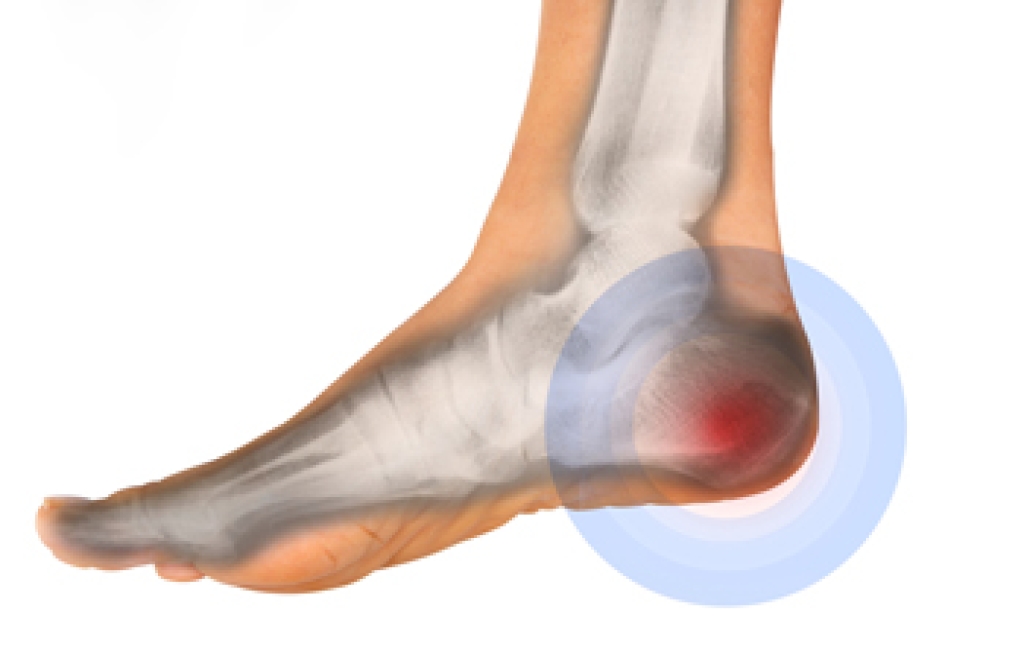
Heel pain often stems from two conditions, which are heel spurs and plantar fasciitis. A heel spur is a bony growth that forms on the underside of the heel bone, often as a result of long-term pressure or inflammation. This growth can cause sharp pain, especially during walking or standing. Plantar fasciitis is an inflammation of the thick band of tissue that runs along the bottom of the foot, connecting the heel to the toes. It typically causes pain in the heel and arch, particularly in the morning or after long periods of rest. While both conditions can cause heel pain, they differ in their underlying causes and treatment approaches. Proper diagnosis and targeted treatment can help manage pain and improve mobility for people suffering from either condition. If you are experiencing heel pain, it is strongly suggested that you are under the care of a podiatrist who can determine what the cause is, and treat it accordingly.

Many people suffer from bouts of heel pain. For more information, contact one of our podiatrists of Summerlin Foot & Ankle. Our doctors can provide the care you need to keep you pain-free and on your feet.

Causes of Heel Pain

Heel pain is often associated with plantar fasciitis. The plantar fascia is a band of tissues that extends along the bottom of the foot. A rip or tear in this ligament can cause inflammation of the tissue.

Achilles tendonitis is another cause of heel pain. Inflammation of the Achilles tendon will cause pain from fractures and muscle tearing. Lack of flexibility is also another symptom.

Heel spurs are another cause of pain. When the tissues of the plantar fascia undergo a great deal of stress, it can lead to ligament separation from the heel bone, causing heel spurs.

Why Might Heel Pain Occur?

  • Wearing ill-fitting shoes                
  • Wearing non-supportive shoes
  • Weight change           
  • Excessive running

Treatments

Heel pain should be treated as soon as possible for immediate results. Keeping your feet in a stress-free environment will help. If you suffer from Achilles tendonitis or plantar fasciitis, applying ice will reduce the swelling. Stretching before an exercise like running will help the muscles. Using all these tips will help make heel pain a condition of the past.

If you have any questions, please feel free to contact our office located in Las Vegas, NV . We offer the newest diagnostic and treatment technologies for all your foot care needs.

Read more about Heel Pain
scroll to top