Tuesday, 30 June 2026 00:00

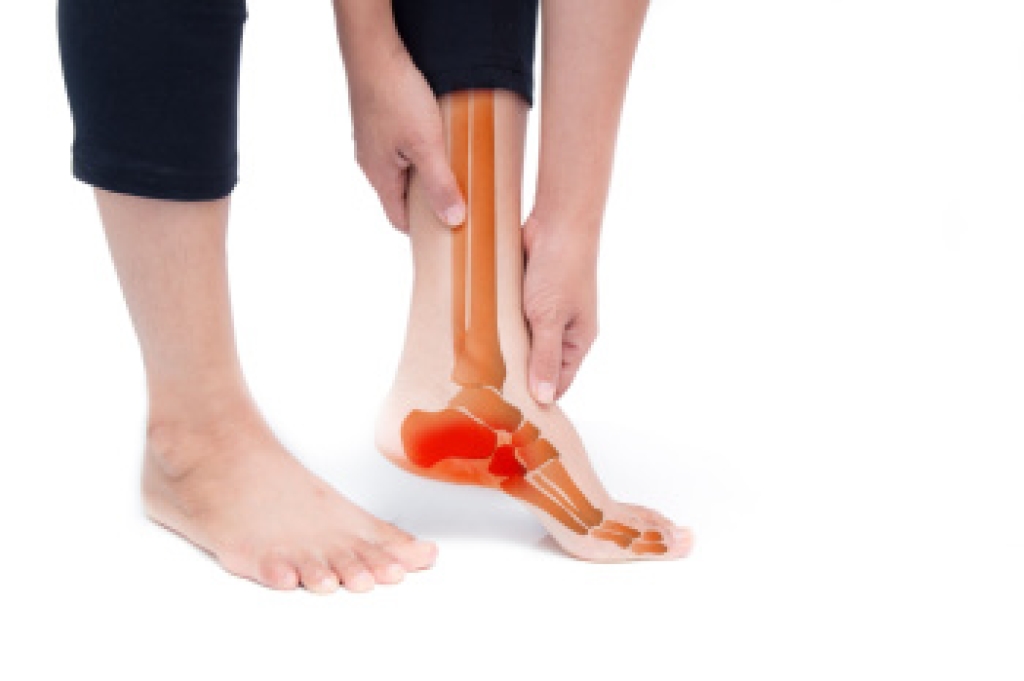
Plantar fasciitis is one of the most common causes of heel pain. It affects individuals who place repetitive stress on the bottom of the foot. It occurs when the plantar fascia, a thick band of connective tissue that supports the arch, becomes irritated or develops micro-tears. This tissue runs from the heel bone to the toes and plays a vital role in maintaining proper foot mechanics. A key concept in understanding this condition is called the windlass mechanism. This describes how the plantar fascia tightens as the toes extend while walking, helping to stabilize the arch and create an efficient push-off phase.

Symptoms of plantar fasciitis typically include sharp heel pain that is most noticeable with the first steps in the morning or after periods of rest. The discomfort may decrease with activity but often returns after prolonged standing or walking. Patients may also report stiffness in the arch, tenderness along the heel, and increased pain after exercise rather than during it. These symptoms are often linked to strain within the plantar fascia and dysfunction in the windlass mechanism, which reduces the foot's ability to absorb and distribute forces effectively.


Several risk factors contribute to the development of plantar fasciitis. Individuals with flat feet or high arches may experience abnormal stress on the plantar fascia. Occupations that require prolonged standing, such as teaching or retail work, can increase strain on the heel. Wearing improper footwear, especially shoes with poor arch support, can further disrupt foot mechanics. Tight calf muscles and limited ankle mobility may also interfere with the windlass mechanism, placing additional tension on the plantar fascia during movement.


It is important to know that plantar fasciitis is both a structural and functional condition that benefits from early attention and proper support. Understanding how the windlass mechanism contributes to foot stability highlights the importance of maintaining flexibility and strength in the lower extremity. If you have symptoms of plantar fasciitis, it is suggested you consult a podiatrist for effective relief and treatment solutions.

Plantar fasciitis is a common foot condition that is often caused by a strain injury. If you are experiencing heel pain or symptoms of plantar fasciitis, contact one of our podiatrists from Summerlin Foot & Ankle. Our doctors can provide the care you need to keep you pain-free and on your feet.

What Is Plantar Fasciitis?

Plantar fasciitis is one of the most common causes of heel pain. The plantar fascia is a ligament that connects your heel to the front of your foot. When this ligament becomes inflamed, plantar fasciitis is the result. If you have plantar fasciitis you will have a stabbing pain that usually occurs with your first steps in the morning. As the day progresses and you walk around more, this pain will start to disappear, but it will return after long periods of standing or sitting.

What Causes Plantar Fasciitis?

  • Excessive running
  • Having high arches in your feet
  • Other foot issues such as flat feet
  • Pregnancy (due to the sudden weight gain)
  • Being on your feet very often

There are some risk factors that may make you more likely to develop plantar fasciitis compared to others. The condition most commonly affects adults between the ages of 40 and 60. It also tends to affect people who are obese because the extra pounds result in extra stress being placed on the plantar fascia.

Prevention

  • Take good care of your feet – Wear shoes that have good arch support and heel cushioning.
  • Maintain a healthy weight
  • If you are a runner, alternate running with other sports that won’t cause heel pain

There are a variety of treatment options available for plantar fasciitis along with the pain that accompanies it. Additionally, physical therapy is a very important component in the treatment process. It is important that you meet with your podiatrist to determine which treatment option is best for you.

If you have any questions, please feel free to contact our office located in Las Vegas, NV . We offer the newest diagnostic and treatment technologies for all your foot care needs.

 

Read more about Plantar Fasciitis
Sunday, 28 June 2026 00:00

Suffering from this type of pain? You may have the foot condition known as Morton's neuroma. Morton's neuroma may develop as a result of ill-fitting footwear and existing foot deformities. We can help.

Tuesday, 23 June 2026 00:00

Foot pain can develop from everyday habits, overuse, poor shoe choices, or underlying structural problems in the feet. Wearing shoes that do not fit well, spending long hours standing, sudden increases in activity, and ignoring early discomfort can all contribute to pain. Choosing supportive footwear with enough room for the toes can reduce pressure and improve alignment. Replacing worn shoes and using proper support during exercise may also help protect the feet. Maintaining a healthy weight can decrease strain on joints, tendons, and soft tissues. A podiatrist can evaluate foot structure, gait, and pressure points to identify problems before they become more serious. Early care may help prevent conditions such as heel pain, tendon irritation, bunions, or stress injuries. If you are noticing recurring soreness, stiffness, or discomfort in your feet, it is suggested that you visit a podiatrist for an evaluation.

Foot Pain

Foot pain can be extremely painful and debilitating. If you have a foot pain, consult with one of our podiatrists from Summerlin Foot & Ankle. Our doctors will assess your condition and provide you with quality foot and ankle treatment.

Causes

Foot pain is a very broad condition that could be caused by one or more ailments. The most common include:

  • Bunions
  • Hammertoes
  • Plantar Fasciitis
  • Bone Spurs
  • Corns
  • Tarsal Tunnel Syndrome
  • Ingrown Toenails
  • Arthritis (such as Gout, Rheumatoid, and Osteoarthritis)
  • Flat Feet
  • Injury (from stress fractures, broken toe, foot, ankle, Achilles tendon ruptures, and sprains)
  • And more

Diagnosis

To figure out the cause of foot pain, podiatrists utilize several different methods. This can range from simple visual inspections and sensation tests to X-rays and MRI scans. Prior medical history, family medical history, and any recent physical traumatic events will all be taken into consideration for a proper diagnosis.

Treatment

Treatment depends upon the cause of the foot pain. Whether it is resting, staying off the foot, or having surgery; podiatrists have a number of treatment options available for foot pain.

If you have any questions, please feel free to contact our office located in Las Vegas, NV . We offer the newest diagnostic and treatment technologies for all your foot care needs.

Read more about Foot Pain
Tuesday, 16 June 2026 00:00

Falls related to balance problems can happen when the body loses its ability to stay steady during movement or while standing still. This condition may appear as unsteadiness, dizziness, or a feeling that the ground is shifting underfoot. Causes often include vision problems that affect depth perception, inner ear issues that disrupt equilibrium, and nerve damage such as neuropathy that reduces sensation in the feet. When the feet cannot properly feel the ground, it becomes harder to react quickly and maintain stability. A podiatrist plays an important role by evaluating foot structure, nerve function, and gait patterns. They can identify underlying concerns, recommend supportive devices, and coordinate care to reduce the risk of further injury. If you have injured your foot or ankle from falling, it is suggested that you consult a podiatrist who can offer effective relief, treatment, and prevention techniques.

Preventing falls among the elderly is very important. If you are older and have fallen or fear that you are prone to falling, consult with one of our podiatrists from Summerlin Foot & Ankle. Our doctors will assess your condition and provide you with quality advice and care.

Every 11 seconds, an elderly American is being treated in an emergency room for a fall related injury. Falls are the leading cause of head and hip injuries for those 65 and older. Due to decreases in strength, balance, senses, and lack of awareness, elderly persons are very susceptible to falling. Thankfully, there are a number of things older persons can do to prevent falls.

How to Prevent Falls

Some effective methods that older persons can do to prevent falls include:

  • Enrolling in strength and balance exercise program to increase balance and strength
  • Periodically having your sight and hearing checked
  • Discuss any medications you have with a doctor to see if it increases the risk of falling
  • Clearing the house of falling hazards and installing devices like grab bars and railings
  • Utilizing a walker or cane
  • Wearing shoes that provide good support and cushioning
  • Talking to family members about falling and increasing awareness

Falling can be a traumatic and embarrassing experience for elderly persons; this can make them less willing to leave the house, and less willing to talk to someone about their fears of falling. Doing such things, however, will increase the likelihood of tripping or losing one’s balance. Knowing the causes of falling and how to prevent them is the best way to mitigate the risk of serious injury.  

If you have any questions, please feel free to contact our office located in Las Vegas, NV . We offer the newest diagnostic and treatment technologies for all your foot care needs.

Read more about Falls Prevention
scroll to top