Items filtered by date: February 2026
Plantar Warts Can Be Treated!

Plantar warts are small growths that develop on parts of the feet that bear weight. They're typically found on the bottom of the foot. Don't live with plantar warts, and call us today!
Treatment of a Broken Toe
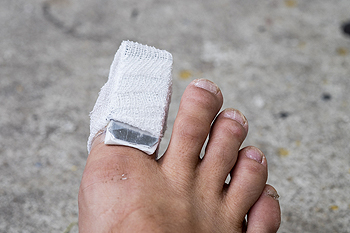
Breaking a toe can occur when it strikes a hard object or when something heavy lands on the foot. Symptoms include pain, swelling, bruising, and difficulty bearing weight, and the toe may look angled. A podiatrist determines whether the injury is a fracture or a sprain through examination and imaging, such as X-rays. Treatment of a broken toe focuses on stabilizing the bone so it heals in proper alignment. This may involve medical splinting to a neighboring toe, protective footwear, or a walking cast to limit motion and reduce joint stress. More severe fractures with displaced fragments or joint involvement may require surgical repair using small pins or screws. Proper care helps prevent long-term complications like stiffness, arthritis, or chronic walking pain. A podiatrist also monitors healing and guides the return to activity. If you have pain from a broken toe, it is suggested that you make an appointment with a podiatrist for an exam, diagnosis, and treatment.
Broken toes may cause a lot of pain and should be treated as soon as possible. If you have any concerns about your feet, contact one of our podiatrists from Summerlin Foot & Ankle. Our doctors will treat your foot and ankle needs.
What Is a Broken Toe?
A broken toe occurs when one or more of the toe bones of the foot are broken after an injury. Injuries such as stubbing your toe or dropping a heavy object on it may cause a toe fracture.
Symptoms of a Broken Toe
- Swelling
- Pain (with/without wearing shoes)
- Stiffness
- Nail Injury
Although the injured toe should be monitored daily, it is especially important to have a podiatrist look at your toe if you have severe symptoms. Some of these symptoms include worsening or new pain that is not relieved with medication, sores, redness, or open wounds near the toe.
If you have any questions please feel free to contact our office located in Las Vegas, NV . We offer the newest diagnostic tools and technology to treat your foot and ankle needs.
When a Nerve in Your Foot Starts to Misbehave
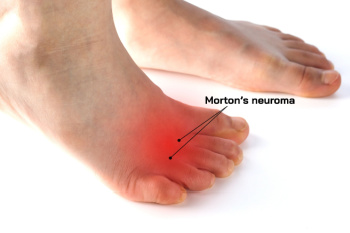
Morton’s neuroma develops when a nerve between the toes becomes irritated and begins to thicken, creating a mix of burning, tingling, or sharp discomfort in the front of the foot. Many people describe the sensation as if a small object is trapped under the ball of the foot, and the feeling often becomes stronger with wearing tight shoes or pressure on the toes. As the nerve becomes more inflamed, even short walks can feel uncomfortable, and certain footwear may be hard to tolerate. Reducing pressure on the area and choosing shoes that allow the toes to spread naturally can help calm early symptoms, but neuromas usually do not fade away without proper care. If you notice recurring burning or numbness in this part of your foot, it is suggested that you see a podiatrist for a clear diagnosis and effective treatment options.
Morton’s neuroma is a very uncomfortable condition to live with. If you think you have Morton’s neuroma, contact one of our podiatrists of Summerlin Foot & Ankle. Our doctors will attend to all of your foot care needs and answer any of your related questions.
Morton’s Neuroma
Morton's neuroma is a painful foot condition that commonly affects the areas between the second and third or third and fourth toe, although other areas of the foot are also susceptible. Morton’s neuroma is caused by an inflamed nerve in the foot that is being squeezed and aggravated by surrounding bones.
What Increases the Chances of Having Morton’s Neuroma?
- Ill-fitting high heels or shoes that add pressure to the toe or foot
- Jogging, running or any sport that involves constant impact to the foot
- Flat feet, bunions, and any other foot deformities
Morton’s neuroma is a very treatable condition. Orthotics and shoe inserts can often be used to alleviate the pain on the forefront of the feet. In more severe cases, corticosteroids can also be prescribed. In order to figure out the best treatment for your neuroma, it’s recommended to seek the care of a podiatrist who can diagnose your condition and provide different treatment options.
If you have any questions, please feel free to contact our office located in Las Vegas, NV . We offer the newest diagnostic and treatment technologies for all your foot care needs.
When Thyroid Disease Affects the Feet

Thyroid acropachy is a rare condition linked to autoimmune thyroid disease, most often associated with Graves disease. It causes changes in bones and soft tissues of the hands and feet. In the feet, symptoms may include swelling, clubbing of the toes, skin thickening, and discomfort that affects walking or shoe fit. These changes result from immune system activity that triggers inflammation and abnormal bone growth. Thyroid acropachy usually appears after other thyroid-related symptoms have been present and may occur alongside eye or skin involvement. Treatment focuses on managing the underlying thyroid condition and reducing inflammation. Wearing supportive footwear, custom orthotics, and monitoring foot structure can help maintain comfort and mobility. Because symptoms can mimic other foot disorders, proper evaluation is important. If unusual swelling, toe changes, or foot discomfort occur with thyroid disease, it is suggested that you see a podiatrist for an accurate diagnosis and appropriate care.
When dealing with systemic disease of the feet, it is extremely important to check the affected areas routinely so that any additional problems are caught quickly. If you have any concerns about your feet and ankles contact one of our podiatrists from Summerlin Foot & Ankle. Our doctors will assist you with all of your podiatric needs.
Systemic Diseases of the Feet
Systemic diseases affect the whole body, and symptoms usually are displayed in the feet. This condition can make a patient’s ability to walk unbearable. Systemic diseases include gout, diabetes mellitus, neurological disorders, and arthritis.
Gout – is caused by an excess of uric acid in the body. Common symptoms include pain, inflammation, and redness at the metatarsal/phalangeal joint of the base big toe. Gout can be treated by NSAIDs to relieve pain and inflammation, and other drugs that lower the acid levels in the body.
Diabetes mellitus – is an increase in the level of blood sugar that the body cannot counteract with its own insulin. Failure to produce enough insulin is a factor in Diabetes.
Diabetes of the Feet
Diabetic Neuropathy – may lead to damaged nerves and affect the feet through numbness and loss of sensation.
Peripheral Vascular Disease – can restrict the blood flow to the feet, and often times lead to amputation of the feet.
If you have any questions please contact our office located in Las Vegas, NV . We offer the newest diagnostic and treatment technologies for all your foot and ankle needs.
Dealing With Corns
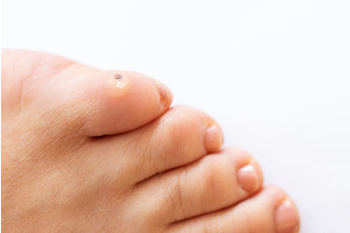
Recovering from corns on the feet, whether soft, hard, or seed, is a relief for many patients who have lived with daily discomfort. Corns are caused by repeated pressure or friction from tight shoes, foot structure, or walking patterns. They often look like small, thickened circles of skin, sometimes with a hard center, and may feel sharp, tender, or burning when pressure is applied. Soft corns appear between toes and feel moist, while hard corns develop on bony areas, and seed corns form in clusters on the sole. A podiatrist begins with a careful exam to confirm the type of corn and rule out infection or warts. Treatment may include professional removal of thickened skin, protective padding or orthotics, and footwear guidance to prevent recurrence. With proper care, healing is smoother and comfort returns. If you have corns, it is suggested that you make an appointment with a podiatrist.
Corns can make walking very painful and should be treated immediately. If you have questions regarding your feet and ankles, contact one of our podiatrists of Summerlin Foot & Ankle. Our doctors will treat your foot and ankle needs.
Corns: What Are They? And How Do You Get Rid of Them?
Corns are thickened areas on the skin that can become painful. They are caused by excessive pressure and friction on the skin. Corns press into the deeper layers of the skin and are usually round in shape.
Ways to Prevent Corns
There are many ways to get rid of painful corns such as:
- Wearing properly fitting shoes that have been measured by a professional
- Wearing shoes that are not sharply pointed or have high heels
- Wearing only shoes that offer support
Treating Corns
Although most corns slowly disappear when the friction or pressure stops, this isn’t always the case. Consult with your podiatrist to determine the best treatment option for your case of corns.
If you have any questions, please feel free to contact our office located in Las Vegas, NV . We offer the newest diagnostic and treatment technologies for all your foot care needs.
